"Taichung's Summer in a Bowl: The Soup That Only Exists Here"
Maayi is a soup made from jute leaves — grown only in Taichung, available only June through September. At the Second Market, Lin Ji opens at 6am and sells out before tourists arrive. Almost no English coverage exists for this Taichung staple.

Taichung's Summer Has a Flavor
If you ask a Taichung person what they miss most when they leave home, there's a decent chance they'll say maayi soup — and then immediately realize they can't really explain it to you.
Maayi (麻薏, pronounced something like māi-ì in Taiwanese Hokkien) is made from jute leaves. Not the jute that makes burlap — but young, tender leaves from the same plant family, grown in the fields around Taichung. The season runs from June through September. You cannot get this soup in Taipei. You cannot get it in Tainan. It exists here, and only here, and only now.
Making it is not quick. You pick the young leaves before they toughen, strip them from the stems by hand, then knead them over and over in water to pull out the bitterness — a process that turns your hands dark green and takes real time. Once the leaves are ready, they go into a slow-cooked broth with sweet potato chunks and dried small fish, cooking down into something thick and dark green, somewhere between a soup and a porridge. The flavor is earthy and slightly bitter, rounded out by the sweetness of the potato. It tastes like something your grandmother would make if your grandmother were from central Taiwan.
Fewer and fewer people know how to do this correctly. The technique is disappearing — the kneading step alone puts most home cooks off. This is the kind of dish that exists in collective memory more than in practice, which is why finding a vendor who still makes it properly matters.
The Second Market Morning Timeline
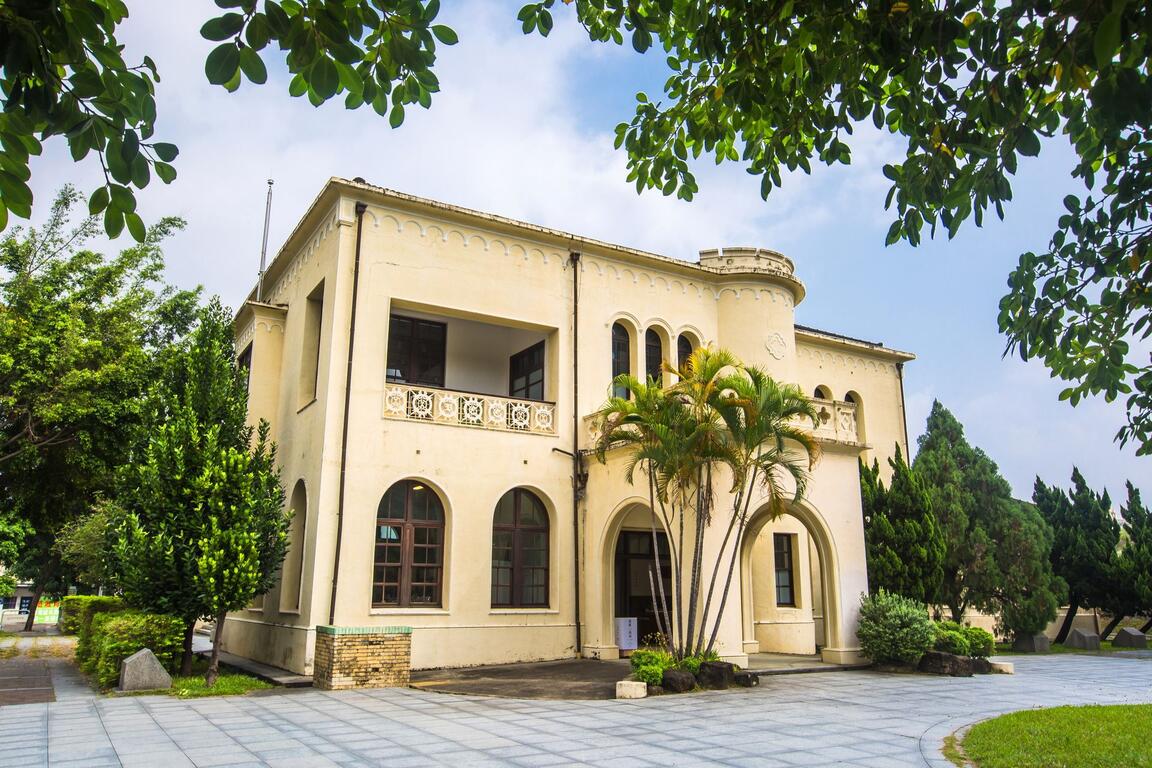
Second Market (第二市場, Dì-èr Shìchǎng) sits at No. 87, Sanmin Road Section 2, in Taichung's Central District. The building dates to 1917, when it was constructed during Japanese colonial rule as the Shintomacho Market — originally built to serve the Japanese residents living in the area. Over a century later, the structure still stands, and the market still opens before most of the city is awake.
This is a local breakfast market. People come here before work, before their kids go to school, before anyone who slept past 7am has any business being there. On a typical morning it's grandparents and regulars and vendors who've been setting up in the same spot for decades. It's not performing for anyone.
Here's how the morning runs, roughly:
5:30am — Shanhe Braised Pork Rice (山河魯肉飯) opens. This is the place that's been recognized by Michelin three years in a row, which means it now has a line. The dish is braised pork leg or belly slow-cooked until the collagen breaks down and the fat goes silky, served over white rice. It's NT$50–80 per bowl (roughly $1.50–$2.50). The wait is real — budget 20 to 30 minutes on a weekend. They close at 3pm, and they're closed on Wednesdays. If you show up at 5:30am you'll still beat most of the crowd.
6:00am — Lin Ji Ancient Maayi Soup (林記古早味麻薏湯) opens. This is the one you came for. Lin Ji has been selling maayi soup inside Second Market for years. A bowl is around NT$25–35 (under $1.25). They open at 6am and sell out when the pot is empty — usually sometime before noon, sometimes earlier. There's no precise science to when it runs out; it depends on the day and how much they made. The safer bet is arriving before 9am. If you want maayi soup and you wander over at 10:30am, you may be too late.
Inside the same market, A-E Deng Deng Maayi (阿娥點燈麻薏) is another maayi vendor worth knowing as a backup — same seasonal soup, different vendor.
While you're inside the market, Maochuan Meatballs (茂川肉圓) and Muzi Dumplings (木子餃子) are both worth trying if you're building a full breakfast. Taiwanese meatballs (ròuyuán) are a different thing from what the name suggests in English — they're a soft, translucent steamed or fried wrapper around a pork filling, served with a sweet-savory sauce. Order one and see.
If you want to extend the morning into the surrounding streets, Fugui Pavilion Angelica Duck Noodles (富貴亭當歸鴨麵線) is near Jiguang Street, about 60 years in business. Angelica root (dāngguī) gives the broth a herbal, medicinal edge — it's an acquired taste, but if you like it, you really like it.
A note on menus: there are none in English at any of these places. Bring Google Translate with the camera feature active, or just point at what the person next to you is having. The vendors are used to this.
One more thing: bring cash. Most of these stalls are cash only.
Getting There & Practical Info
Taichung is about 1.5 hours from Taipei by high-speed rail. Take the HSR to Taichung Station (not the same as Taichung Train Station — confirm your stop), then transfer to local transport toward the Central District. Second Market is a 10-minute walk from Taichung Train Station.
If you're coming specifically for maayi soup, aim to arrive by 8am at the latest. The soup season runs June through September — outside those months, maayi is not available, full stop.
Second Market (第二市場) No. 87, Sanmin Road Sec. 2, Central District, Taichung
Lin Ji Ancient Maayi Soup (林記古早味麻薏湯) Inside Second Market — Opens 6am, sold out when it's gone (usually before noon)
Shanhe Braised Pork Rice (山河魯肉飯) Inside Second Market — Opens 5:30am, closes 3pm, closed Wednesdays
Cash only at most vendors. No English menus — camera-based translation works fine.